
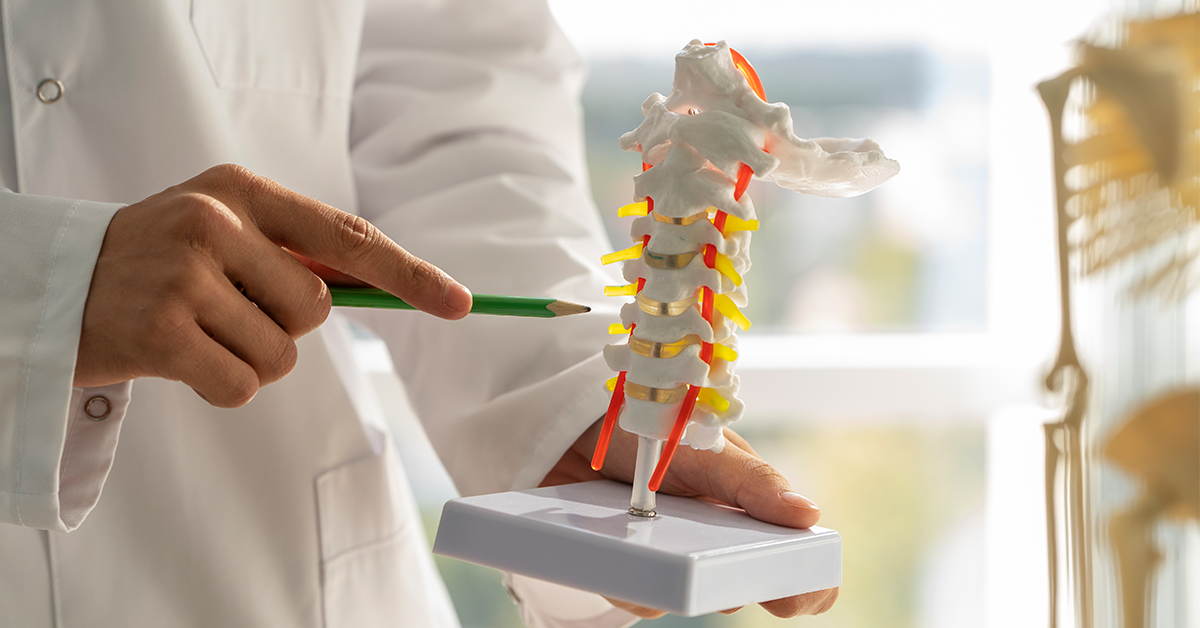
Syringomyelia is a challenging condition where cerebrospinal fluid flows abnormally, creating fluid-filled spaces (syrinx) within the spinal cord tissue or central canal. Often linked with Chiari malformation type 1 (CM-1), it may also arise from spinal cord tumors, trauma, or conditions like adhesive arachnoiditis. Commonly, people with syringomyelia experience sensory issues, such as pain and difficulty sensing temperature, and it’s often found unexpectedly during MRI scans for neck or back pain. Each person’s experience with syringomyelia can be different, with symptoms that can remain stable for some time or suddenly worsen.
Despite ongoing research, the progression of syringomyelia remains complex and unpredictable, often worsening over months to years. Initially, symptoms may progress quickly, but this typically slows. Physical activities like sudden head movements or intense coughing may unexpectedly trigger symptoms in those who previously felt well, likely due to shifts in the tonsillar area. Symptom management focuses on avoiding triggers like straining or neck flexion to reduce pressure and bring relief. This collaborative approach underscores the need for a diverse healthcare team to provide effective care for syringomyelia patients, covering evaluation, management, and interprofessional support.
Syringomyelia is a chronic spinal cord condition marked by the formation of a fluid-filled cyst, or syrinx, within the spinal cord. This cyst can enlarge over time, damaging nerve fibers and disrupting normal neurological function. Symptoms vary significantly based on the location and extent of the syrinx, often developing gradually. Here are common symptoms associated with syringomyelia:
1. Pain and Stiffness in the Neck and Shoulders
- One of the most noticeable symptoms is chronic pain, often felt in the neck, shoulders, or upper back. Stiffness may accompany this pain, limiting range of motion and making everyday activities challenging.
2. Loss of Sensation and Temperature Perception
- People with syringomyelia may experience reduced sensitivity, particularly to temperature changes, in their hands and arms. This could lead to accidental burns or injuries because they cannot perceive temperature accurately.
3. Weakness and Atrophy in Muscles
- As the syrinx grows, it can press on the motor pathways in the spinal cord, causing muscle weakness or even atrophy, particularly in the hands, arms, and shoulders. Tasks that require fine motor skills become difficult.
4. Headaches
- Many individuals with syringomyelia report severe headaches, often triggered by coughing, sneezing, or straining. These are known as Valsalva headaches and occur due to pressure changes around the spinal cord and brainstem.
5. Numbness and Tingling
- Tingling, numbness, or a “pins and needles” sensation in the arms and hands are common early symptoms. This sensation may extend to the chest or legs as the condition progresses.
6. Bladder and Bowel Dysfunction
- In more advanced cases, syringomyelia can affect autonomic nerves, leading to bladder and bowel dysfunction. This may include urinary incontinence, urgency, or retention, which can impact quality of life.
7. Curvature of the Spine (Scoliosis)
- In children and young adults, syringomyelia may present with scoliosis, an abnormal curvature of the spine. This symptom is often detected before other neurological symptoms appear.
8. Spasticity or Muscle Tightness
- Muscle stiffness or spasticity, especially in the arms or legs, may develop. This can result in restricted movement, clumsiness, or difficulty maintaining balance.
9. Facial and Neck Weakness
- If the syrinx extends into the cervical region of the spine or higher, symptoms like facial weakness, hoarseness, and difficulty swallowing can occur, particularly if the brainstem is affected.
10. Progressive Neurological Symptoms
- As syringomyelia progresses, neurological symptoms often worsen, leading to chronic pain, further muscle atrophy, and more severe sensory loss. Without treatment, permanent damage may occur.
Diagnosis of Syringomyelia: Understanding Symptoms, Testing, and Imaging
1. Recognizing Syringomyelia Symptoms
The first step in diagnosing syringomyelia is recognizing its symptoms. Often, patients report a range of sensations like chronic pain, weakness, or stiffness, particularly in the shoulders, arms, and back. Other symptoms include headaches, sensory disturbances, and a loss of temperature sensitivity. Notably, syringomyelia symptoms can vary greatly, making diagnosis challenging. Some patients may even remain asymptomatic for years. Early detection is crucial, as untreated syringomyelia can lead to progressive nerve damage and worsening of symptoms.
2. Physical Examination
A thorough physical examination is typically the next step in diagnosis. Physicians assess reflexes, motor strength, sensory response, and coordination. This examination often reveals diminished reflexes or signs of muscle weakness in affected areas. Additionally, doctors may test for a reduction in pain and temperature sensitivity. These physical indicators, especially when combined with reported symptoms, raise suspicion of syringomyelia, prompting further testing through imaging.
3. Magnetic Resonance Imaging (MRI)
Magnetic resonance imaging (MRI) is the primary tool used to diagnose syringomyelia. MRI scans provide detailed images of the spinal cord, allowing doctors to visualize the syrinx (fluid-filled cyst) within it. An MRI helps confirm the diagnosis by clearly showing the location, size, and extent of the syrinx. Additionally, it can reveal any underlying causes, such as Chiari malformation, spinal cord injury, or other abnormalities. MRIs are non-invasive, painless, and essential for an accurate diagnosis.
4. MRI with Contrast
Sometimes, an MRI with contrast dye is recommended. The contrast agent, administered intravenously, helps enhance the clarity of the images, especially around the spinal cord and brain. This technique provides a better view of any abnormal tissues or tumors contributing to syrinx formation. An MRI with contrast can also aid in distinguishing syringomyelia from other spinal cord disorders, improving diagnostic accuracy and informing appropriate treatment planning.
5. Spinal and Brain Imaging
Since syringomyelia often associates with Chiari malformations, imaging of both the spinal cord and brain is essential. Doctors use MRI scans to check for downward displacement of the cerebellar tonsils, a common indicator of Chiari malformation. This condition frequently coexists with syringomyelia, affecting treatment decisions. Brain imaging can also identify other structural abnormalities that could impact fluid flow within the spinal cord, contributing to syrinx formation.
6. Cine MRI to Assess Cerebrospinal Fluid Flow
Cine MRI, a dynamic imaging technique, evaluates cerebrospinal fluid (CSF) flow around the brain and spinal cord. This test can be particularly valuable in syringomyelia cases related to Chiari malformations. By observing the flow patterns of CSF, doctors can identify obstructions or disruptions that contribute to syrinx development. Cine MRI provides critical insights into the underlying cause of syringomyelia and helps tailor treatment plans aimed at restoring normal CSF flow.
7. Neurological Assessment and Electromyography (EMG)
A neurological assessment, often supplemented by electromyography (EMG), evaluates nerve and muscle function. In syringomyelia, nerve damage may lead to muscle atrophy and reduced strength, particularly in the hands and arms. EMG measures electrical activity in muscles, providing data on nerve and muscle health. This test helps detect nerve damage, guiding doctors in assessing the extent of syringomyelia and identifying areas affected by the syrinx.
8. Differential Diagnosis
Syringomyelia symptoms can mimic other neurological disorders, necessitating a differential diagnosis. Conditions such as multiple sclerosis, spinal tumors, or neuropathies can present with similar symptoms. To ensure accurate diagnosis, doctors rule out these conditions using a combination of imaging, physical examination, and lab tests. A precise diagnosis is essential for determining the most effective treatment strategy and avoiding unnecessary procedures.
9. Genetic Testing (When Relevant)
In certain cases, genetic testing may be recommended, particularly if syringomyelia is suspected to have a hereditary component. Genetic factors may predispose individuals to syringomyelia, especially when associated with congenital conditions like Chiari malformation. Testing can provide valuable information for patients with family members affected by syringomyelia, helping in early detection and preventive care planning for relatives.
10. Monitoring and Follow-up Imaging
For patients diagnosed with syringomyelia, ongoing monitoring is often necessary. Regular follow-up MRI scans track changes in the size or position of the syrinx over time. This approach allows doctors to evaluate the progression of the condition and make timely adjustments to the treatment plan. Monitoring is particularly important for patients with mild or asymptomatic syringomyelia, as early intervention can prevent complications and improve outcomes.
Early diagnosis of syringomyelia enables timely treatment and reduces the risk of irreversible nerve damage. If syringomyelia symptoms are suspected, consult a healthcare professional for evaluation.
Syringomyelia is a rare condition where a fluid-filled cyst, called a syrinx, forms within the spinal cord. This condition can progressively expand, damaging spinal cord tissue and causing symptoms like pain, weakness, stiffness, and sensory deficits. Syringomyelia often develops due to a range of factors that disrupt normal spinal fluid flow, leading to the accumulation of cerebrospinal fluid within the spinal cord.
1. Chiari Malformation
One of the most common causes of syringomyelia is Chiari malformation, a structural defect in the brain that pushes part of the cerebellum down through the foramen magnum (the opening at the base of the skull). This impedes normal cerebrospinal fluid (CSF) flow, often resulting in fluid buildup in the spinal cord.
2. Spinal Cord Injury
A history of spinal cord injury can also lead to syringomyelia. When the spinal cord is injured, scar tissue can form, blocking CSF flow and increasing pressure within the spinal cord. This pressure buildup can lead to the development of a syrinx, even years after the initial injury.
3. Meningitis
Meningitis, an infection of the protective membranes around the brain and spinal cord, can cause inflammation and scarring. The scar tissue from meningitis can obstruct CSF flow, creating conditions conducive to syrinx formation. People with a history of severe or repeated meningitis infections may be at higher risk of developing syringomyelia.
4. Tumors
Tumors in or near the spinal cord can compress the spinal cord and disrupt CSF circulation. This compression may lead to syrinx formation as CSF accumulates. Removing the tumor often helps alleviate symptoms and may prevent further syrinx expansion, although the syrinx may not always resolve completely.
5. Congenital Spinal Defects
Certain congenital spinal abnormalities, such as tethered cord syndrome or scoliosis, can also cause syringomyelia. Tethered cord syndrome occurs when the spinal cord is abnormally attached within the spine, leading to tension and restricting CSF flow. Scoliosis, especially in severe cases, can alter spinal anatomy, potentially impacting fluid dynamics.
6. Arachnoiditis
Arachnoiditis is the inflammation of the arachnoid, one of the membranes surrounding the spinal cord. This condition can result from infections, surgery, spinal injuries, or injections. Arachnoiditis can create scar tissue, blocking CSF flow and leading to syringomyelia.
7. Idiopathic Syringomyelia
In some cases, no specific cause of syringomyelia can be identified. Known as idiopathic syringomyelia, this form of the condition is believed to result from unknown factors affecting spinal cord CSF dynamics. This type is relatively rare, as most cases can be linked to identifiable conditions like Chiari malformations or trauma.
Symptoms and Management
Symptoms of syringomyelia vary based on the location and size of the syrinx. Common symptoms include pain, weakness, loss of reflexes, and sensory changes. In severe cases, syringomyelia may lead to scoliosis or problems with bladder and bowel function.
Management typically focuses on treating the underlying cause. For example, surgical decompression is often used for Chiari malformation-related syringomyelia, while tumor-related cases may involve tumor removal.
Syringomyelia is a rare neurological disorder where a fluid-filled cyst, or syrinx, forms within the spinal cord. This condition can lead to pain, weakness, and stiffness, especially in the back, shoulders, and limbs. Traditional treatments, such as surgery, are often invasive and come with potential complications, and in many cases, they may not entirely halt the progression of the disorder. Stem cell therapy is emerging as a promising alternative, offering hope for managing and potentially reversing syringomyelia symptoms.
How Stem Cells Work in Syringomyelia Treatment
Stem cells have the unique potential to develop into various cell types, including those required for nerve repair and regeneration. In syringomyelia, damaged spinal cord tissue can benefit from stem cells, which might replace lost or damaged cells. Stem cells also release growth factors that promote healing and reduce inflammation in the affected areas, addressing some of the underlying issues causing syrinx formation.
Types of Stem Cells Used
For syringomyelia treatment, researchers commonly use mesenchymal stem cells (MSCs), which can be harvested from the patient’s bone marrow, fat tissue, or umbilical cord tissue. MSCs are valued for their safety and anti-inflammatory properties. They have shown promise in promoting spinal cord repair, which is essential for addressing the nerve damage seen in syringomyelia.
Procedure and Delivery of Stem Cells
In treating syringomyelia, stem cells can be delivered through a lumbar puncture, injecting them into the cerebrospinal fluid. This approach allows the stem cells to reach the spinal cord and affected areas more effectively. The procedure is typically minimally invasive, which reduces the recovery time and potential complications for patients.
Benefits of Stem Cell Therapy for Syringomyelia
Stem cell therapy offers several potential benefits over traditional treatments:
- Neuroprotection and Repair: Stem cells support the regeneration of nerve cells, possibly reversing some damage caused by the syrinx.
- Anti-inflammatory Effects: The therapy reduces inflammation in the spinal cord, which may prevent further damage.
- Reduced Surgical Risks: Stem cell therapy is less invasive compared to traditional surgeries for syringomyelia, minimizing risks and recovery time.
Stem cell therapy presents an exciting opportunity for syringomyelia patients, but it remains essential to consult healthcare professionals and consider all available treatment options.
Stem cell implantation is emerging as a potential treatment for syringomyelia, a rare neurological condition marked by a fluid-filled cyst or syrinx that develops within the spinal cord. This cyst can expand over time, compressing the spinal cord and leading to symptoms like chronic pain, muscle weakness, stiffness, and even loss of sensation. Current treatments, including surgery, aim to alleviate symptoms and prevent progression, but they may not fully address underlying damage or repair lost neurological function.
Stem cell therapy offers an innovative approach by potentially repairing damaged spinal cord tissue, reducing inflammation, and promoting new cell growth. Researchers are exploring different types of stem cells, such as mesenchymal stem cells (MSCs) and neural stem cells (NSCs), which have shown promise in laboratory and early clinical studies. When injected into the damaged spinal area, these cells could reduce the cyst’s size, regenerate affected tissues, and restore some neurological functions.
The treatment process generally involves harvesting stem cells from the patient’s bone marrow or adipose tissue. These cells are then purified and, if necessary, cultured to increase their number before being injected directly into or near the syrinx. Once introduced, the cells may help repair the spinal cord by releasing growth factors and other bioactive molecules, which can reduce inflammation and encourage tissue regeneration. Clinical trials for stem cell implantation in syringomyelia are still in early stages, but initial findings suggest that patients may experience improvements in pain levels, motor functions, and overall quality of life.
Despite its potential, stem cell implantation for syringomyelia carries challenges and risks. The procedure is complex, and risks include infection, rejection, and the potential for abnormal cell growth. Additionally, much research is still needed to determine the optimal type and number of cells, delivery methods, and timing for treatment. However, as clinical trials advance and knowledge about stem cell therapies deepens, this approach could become a transformative option for syringomyelia patients who currently have limited treatment choices.
1. What is syringomyelia, and how can stem cell therapy help?
Syringomyelia is a condition where fluid-filled cysts, or syrinxes, form within the spinal cord, causing pain, weakness, and other neurological symptoms. Stem cell therapy aims to reduce inflammation, encourage healing, and potentially restore some spinal cord function. By injecting stem cells near the damaged area, the goal is to support tissue repair and reduce cyst formation.
2. What types of stem cells are used in syringomyelia treatment?
Mesenchymal stem cells (MSCs), typically sourced from the patient’s own bone marrow or adipose tissue, are often used in treating syringomyelia. MSCs are favored because of their potential to reduce inflammation, promote tissue repair, and integrate safely with the body’s natural healing processes.
3. How is the stem cell implantation procedure performed for syringomyelia?
The procedure involves extracting stem cells from the patient, isolating and processing them, and then reintroducing them to the affected spinal region. The implantation can be done through injections or minimally invasive procedures, guided by imaging technology to ensure precise placement in or near the syrinx.
4. Is stem cell therapy for syringomyelia considered safe?
Stem cell therapy is generally regarded as safe when performed by experienced medical professionals, especially when autologous (self-sourced) stem cells are used. Risks may include infection, inflammation, or allergic reactions. Most adverse events are rare, and stem cell therapy’s minimally invasive nature makes it less risky than surgical alternatives.
5. How effective is stem cell therapy for syringomyelia?
Stem cell therapy is an evolving treatment, and while some patients report symptom relief and improved quality of life, results can vary. Research is ongoing to determine its long-term effectiveness, but early studies suggest that stem cell implantation may help reduce pain and inflammation and support spinal cord healing in some patients.
6. How many sessions of stem cell therapy are needed?
The number of sessions varies based on the patient’s condition and response to treatment. Some patients might experience improvement after one session, while others may need multiple sessions spaced over several months to achieve optimal results. A doctor will assess each case individually to recommend an appropriate treatment plan.
7. What is the recovery period like after stem cell implantation?
Recovery after stem cell implantation is usually short, as the procedure is minimally invasive. Patients may experience some soreness at the injection site and are advised to avoid strenuous activities for a few days. Most patients can resume daily activities within a week, though each individual’s recovery time may vary.
8. Is stem cell therapy for syringomyelia covered by insurance?
Insurance coverage for stem cell therapy in syringomyelia cases is limited, as this is still considered an experimental or emerging treatment in many countries. Patients may need to cover the costs out of pocket, though some clinics offer financing options or payment plans. Always check with insurance providers for the latest policies regarding coverage for stem cell therapy.
Stem cell therapy offers new hope for syringomyelia, a condition where cysts form within the spinal cord, causing pain, weakness, and other neurological issues. This innovative treatment can potentially repair damaged spinal tissue, reduce inflammation, and stimulate nerve regeneration. Patients often report reductions in pain and motor improvements after undergoing stem cell therapy.
One of the primary improvements observed is pain relief, which can be significant, as syringomyelia-related discomfort is often severe and persistent. Stem cells target damaged areas, helping reduce inflammation around the cysts, potentially shrinking them or slowing their growth. As a result, pressure on nerves decreases, leading to less pain and more comfort.
Additionally, patients experience improved motor function and mobility. Syringomyelia can lead to muscle weakness or paralysis in severe cases, but stem cell therapy aids in nerve regeneration, which enhances muscle strength and coordination. Some patients regain mobility they had previously lost, allowing for a better quality of life.
Stem cell therapy can also help improve sensation in affected areas. Sensory loss, numbness, and tingling are common in syringomyelia patients due to disrupted nerve signals. With stem cell treatment, there’s a chance of reestablishing nerve connections, leading to restored sensation and a reduction in numbness.
Stem cell therapy has emerged as a promising approach for treating syringomyelia, a condition where fluid-filled cysts, or syrinxes, form within the spinal cord. This therapy focuses on regenerating damaged spinal cord tissue, reducing cyst formation, and potentially restoring neural function. The key to this approach lies in stem cells’ unique ability to differentiate into various types of cells, including neural and glial cells. Here’s a closer look at the mechanisms involved in using stem cells to treat syringomyelia.
- Reduction of Inflammation: Syringomyelia often results in chronic inflammation in the spinal cord, exacerbating neural damage. Mesenchymal stem cells (MSCs), which can be derived from bone marrow, adipose tissue, or umbilical cords, release anti-inflammatory cytokines upon transplantation. These cytokines help lower inflammation levels, reducing further damage and preventing the enlargement of syrinxes.
- Cellular Regeneration: Stem cells, especially induced pluripotent stem cells (iPSCs) and neural stem cells (NSCs), have the potential to differentiate into neurons and glial cells. Once injected near the site of injury, these stem cells can integrate into the spinal cord tissue, repairing damaged neural networks and potentially restoring lost function. This cell replacement capability is central to the therapeutic approach, as it allows for regeneration of the spinal cord tissue damaged by the pressure of the syrinx.
- Secretion of Neuroprotective Factors: Stem cells secrete neurotrophic factors that support neuron survival and function, including brain-derived neurotrophic factor (BDNF) and glial cell line-derived neurotrophic factor (GDNF). These factors play a crucial role in protecting existing neurons from further damage, reducing the progressive degeneration often seen in syringomyelia patients.
- Modulation of Glial Scarring: Glial scarring, or the formation of scar tissue by glial cells around the site of injury, is a common occurrence in syringomyelia. This scarring inhibits regeneration by forming a physical barrier to new cell growth. Stem cells can modulate the activity of glial cells, particularly astrocytes, reducing scarring and encouraging a more favorable environment for regeneration.
- Stabilization of Syrinx Formation: Stem cell therapy can potentially prevent syrinxes from expanding by altering the fluid dynamics around the spinal cord. By promoting tissue repair and reducing inflammation, stem cells help create a more stable environment that limits further syrinx formation and progression.
- Immunomodulation: Certain stem cell types, such as MSCs, have immunomodulatory properties, meaning they can regulate immune responses that might otherwise lead to tissue rejection or further inflammation. This is essential when the therapy involves introducing cells from an external source.
People need a reliable healthcare consultant to support them through challenging times. Viezec is the ideal choice for those looking for effective, hassle-free treatment for their health conditions. We are honored to be recognized as a top healthcare consultant by the patients we’ve helped. We’re committed to delivering satisfaction by combining advanced approaches and resources, ensuring you feel supported and cared for at every step. Book an appointment with us, and experience the positive change. Our team of experts will be by your side, devoted to helping you overcome your health struggles and regain a fulfilling life. We are here for you as a healthcare partner you can trust.
Stem cell therapy has shown promise in treating syringomyelia, a chronic spinal cord condition characterized by the formation of fluid-filled cysts (syrinxes) within the spinal cord. At Viezec, stem cell treatments are customized to target these cysts, aiming to relieve the symptoms, prevent further damage, and enhance patients’ quality of life.
Viezec’s stem cell therapy leverages mesenchymal stem cells (MSCs), known for their regenerative potential and ability to reduce inflammation, promoting tissue repair and reducing cyst progression. The treatment is minimally invasive, where stem cells are introduced into the body to target affected spinal areas. The MSCs adapt to the environment, differentiating into spinal cells to aid healing, a process which may help relieve the pain, numbness, and muscle weakness associated with syringomyelia.
Patients at Viezec have reported various improvements, such as reduced pain, improved motor function, and a better sense of well-being. However, results vary, as the effectiveness of stem cell therapy can depend on the severity and progression of syringomyelia in each patient. Viezec monitors treatment outcomes and encourages periodic assessments to evaluate symptom relief and quality of life improvements. Stem cell therapy, though still evolving as a treatment for syringomyelia, represents a potential alternative for managing this challenging condition, especially for those seeking non-surgical options.
A quality certificate for stem cell therapy in syringomyelia brings peace of mind to patients and their families. It confirms that the treatment meets rigorous standards and that the stem cells used are safe and tailored for effective healing. This certification is more than a formality; it symbolizes commitment to strict medical protocols and highly skilled care. Knowing that the stem cells are handled, processed, and preserved with utmost care reassures patients that they are in trustworthy hands. This certification emphasizes ethical and reliable treatment, giving patients confidence in a secure path toward relief and hope for better health.
Many people overlook the crucial step that comes after stem cell transplantation: follow-up care. This phase plays a key role in tracking how well the therapy is working in your body. Doctors conduct regular tests, including MRIs, blood tests, and urine tests, to monitor for any side effects. These evaluations help them assess improvements and the ongoing work of the stem cells. If necessary, doctors may recommend additional treatments or therapies. It’s important to discuss any noticeable changes with your healthcare provider, as this can guide their decisions. Consistent check-ups ensure the therapy is effective and support your overall health.
Different Neuro Disorders That Could Benefit From Stem Cell Therapy
How could stem cell therapy be used to treat neuropathy?
Explore The Benefits Of Stem Cell Therapy For Intellectual Disabilities
How Might Stem Cell Therapy Help Treat ALS?
How could stem cell therapy help treat autism?
How could Stem Cell Treatment be used to Treat Parkinson’s Disease?
How could stem cell therapy help treat CP?
How is Stem Cell Treatment Helping Muscular Dystrophy Patients?
How Can Stem Cell Therapy Help Alzheimer’s Patients?
How can stem cells help treat multiple sclerosis?
What are the benefits of stem cell treatment for stroke patients?
Ahead of undergoing this process; a patient needs to understands that stem cell therapy is an experimental therapy that might not work at certain times. At the time of procedure, a patient might be refused the treatment or the proposed protocol might change depending on the patient’s health condition.
At Viezec Stem Cell Institute, our main motive is to give the best technology and safety available; of which has been proven across the globe.
As with any medical treatment, there are no guarantees or claims of cures are made as to the extent of the response to treatment. Every patient has different internal status of body; hence results vary from patient to patient, even with a similar diagnosis. This means that we cannot offer, infer or suggest that there is any certainty of a given outcome. For our any treatment we do not use embryonic or fetal cells.