Stem cell therapy has emerged as one of the most promising advancements in modern regenerative medicine. It focuses on repairing damaged tissues, reducing inflammation, and supporting the body’s natural healing processes rather than masking symptoms. As interest grows worldwide, one question consistently stands out for patients and caregivers alike. Who is actually eligible for stem cell therapy?
Eligibility is not universal. Stem cell therapy is highly individualized and depends on multiple medical, biological, and lifestyle factors. This comprehensive guide explains how doctors determine candidacy, which conditions respond best, who may not qualify, and what patients should expect during the evaluation process. The goal is to help you make informed, realistic decisions grounded in medical evidence and ethical practice.
Understanding Stem Cell Therapy and Its Purpose
Stem cell therapy uses the body’s own regenerative cells or carefully processed donor cells to support tissue repair. These cells have the ability to self-renew and differentiate into specialized cell types under the right conditions. In clinical practice, stem cell therapy is primarily used to reduce inflammation, improve tissue function, and slow degenerative processes.
Unlike conventional treatments that often focus on symptom control, regenerative therapy aims to address underlying tissue damage. This approach has made stem cell treatment especially relevant for chronic, degenerative, and injury-related conditions where standard therapies have limited long-term success.
However, medical suitability is critical. Not every patient or condition benefits equally from stem cell-based treatment.
Why Eligibility Assessment Is Essential
Stem cell therapy is not a one-size-fits-all solution. Ethical clinics follow strict patient selection guidelines to ensure safety, effectiveness, and realistic expectations. Proper eligibility screening protects patients from unnecessary procedures and helps align treatment outcomes with clinical evidence.
Doctors assess eligibility by evaluating disease stage, overall health, biological response potential, and prior treatment history. This approach supports evidence-based care and aligns with international regenerative medicine standards.
Key Factors That Determine Eligibility for Stem Cell Therapy
Medical Diagnosis and Condition Type
The first and most important factor is the patient’s diagnosis. Stem cell therapy shows the most consistent outcomes in conditions involving tissue degeneration, inflammation, or injury. These include orthopedic disorders, select neurological conditions, autoimmune diseases, and some metabolic or inflammatory disorders.
Conditions involving complete tissue destruction, advanced organ failure, or widespread malignancy usually do not respond well. Accurate diagnosis supported by imaging and laboratory testing is essential before proceeding.
Stage and Severity of the Condition
Patients in early to moderate stages of disease often respond better than those with advanced structural damage. For example, early osteoarthritis with cartilage thinning responds more favorably than end-stage joint collapse requiring surgical replacement.
Stem cells work best when there is existing tissue to support regeneration. When damage becomes irreversible, regenerative therapy may no longer be effective.
Age and Regenerative Capacity
Age alone does not automatically disqualify a patient, but it plays a role in healing potential. Younger patients typically have higher regenerative capacity, while older patients may experience slower or less robust responses.
That said, many patients between the ages of 40 and 75 successfully undergo stem cell therapy when other health factors are favorable. Doctors assess biological age rather than chronological age to determine suitability.
Overall Health Status
Patients must be medically stable to undergo stem cell therapy safely. Chronic conditions such as controlled diabetes, managed hypertension, or mild cardiovascular disease may still allow treatment with proper monitoring.
Uncontrolled infections, severe immune compromise, advanced organ failure, or active cancer usually exclude patients from eligibility due to safety concerns.
Discover if Stem Cell Therapy Can Help You!
Book a Free Consultation with Our Experts at Viezec !
Conditions Commonly Considered Suitable for Stem Cell Therapy
Orthopedic and Musculoskeletal Disorders
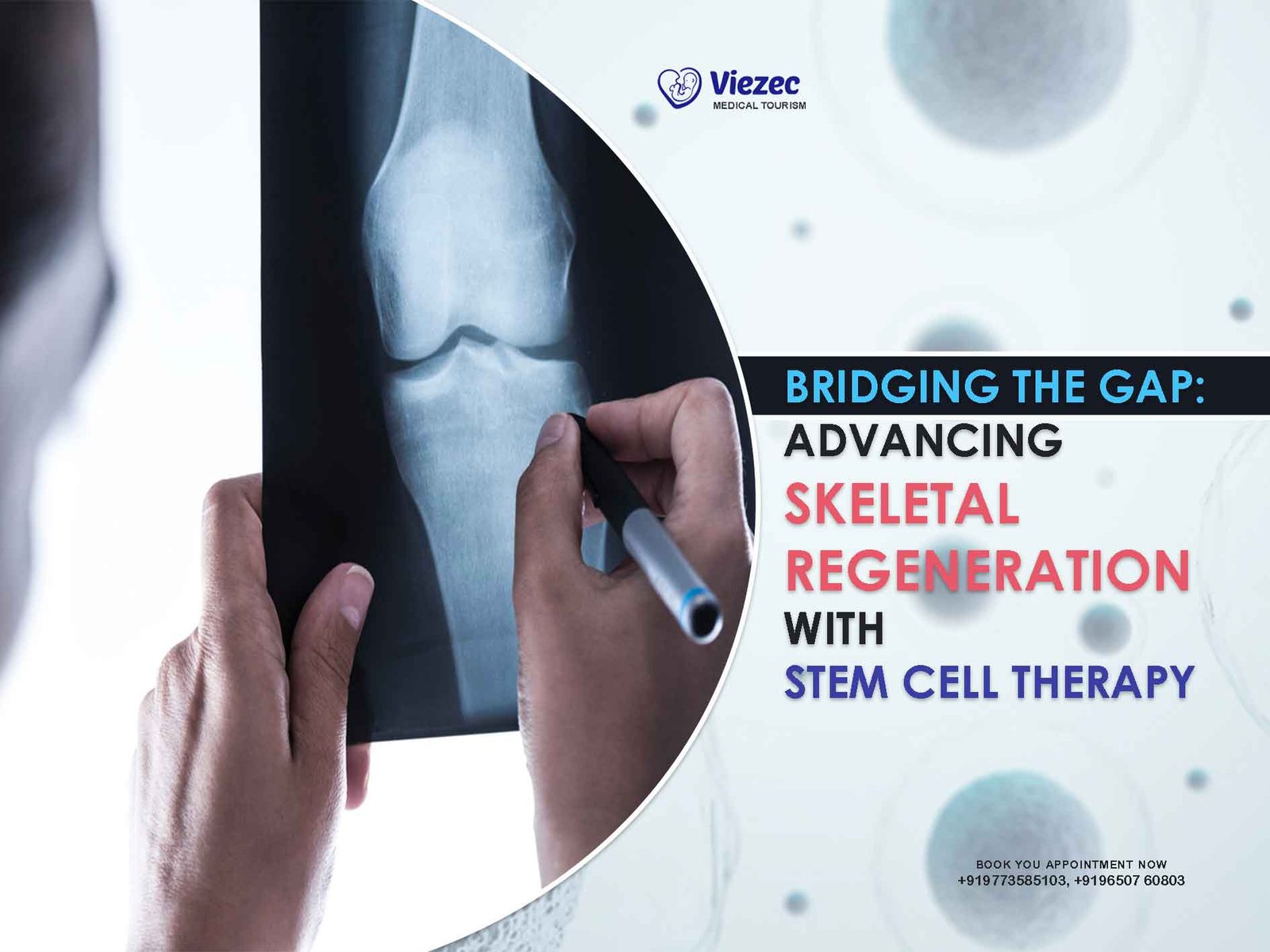
Orthopedic conditions represent one of the most established uses of stem cell therapy. Patients with joint degeneration, soft tissue injuries, and chronic musculoskeletal pain often seek regenerative alternatives to surgery.
Common eligible conditions include knee osteoarthritis, hip joint degeneration, shoulder injuries such as rotator cuff tears, ligament and tendon injuries, spinal disc degeneration, and sports-related injuries. Patients who have not achieved adequate relief from physiotherapy or medications often explore stem cell treatment.
Neurological Conditions
Stem cell therapy is being explored for certain neurological disorders, especially those involving inflammation or nerve damage rather than complete neuronal loss.
Patients with conditions such as multiple sclerosis, spinal cord injury, cerebral palsy, and some neurodegenerative disorders may be evaluated on a case-by-case basis. Outcomes vary widely, and realistic expectations are essential.
Autoimmune and Inflammatory Diseases
Autoimmune conditions involve immune system dysfunction and chronic inflammation. Stem cell therapy may help modulate immune response in selected patients.
Conditions such as rheumatoid arthritis, lupus, inflammatory bowel disease, and certain immune-mediated neurological disorders may qualify after thorough immune profiling and disease stability assessment.
Metabolic and Chronic Disorders
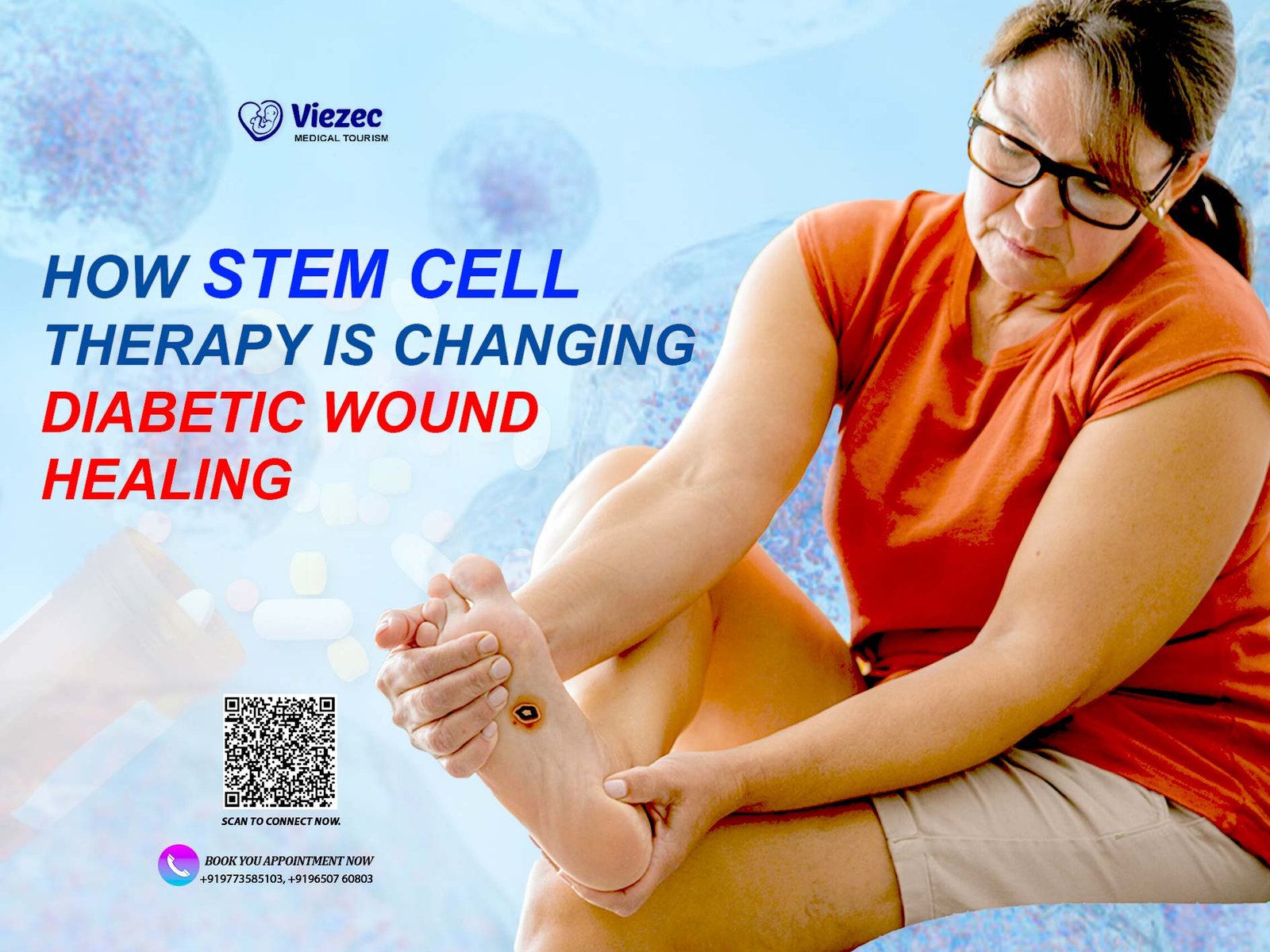
In selected cases, stem cell therapy may be considered for chronic metabolic disorders where inflammation and cellular dysfunction play a role. These cases require extensive evaluation and are often part of structured clinical protocols rather than routine treatment.
Who May Not Be Eligible for Stem Cell Therapy
Patients With Active Cancer
Stem cell therapy is generally not recommended for patients with active malignancy. The regenerative properties of stem cells could theoretically support tumor growth. Patients with a history of cancer may require extended remission periods and oncologist clearance.
Advanced Organ Failure
Patients with end-stage heart, liver, lung, or kidney failure often require transplant or advanced medical management rather than regenerative therapy. Stem cells cannot reverse extensive organ destruction.
Severe Infections or Immune Suppression
Uncontrolled infections, HIV with severe immune suppression, or ongoing systemic infections may increase procedural risk. These patients must stabilize before any regenerative intervention is considered.
Unrealistic Expectations
Patients seeking guaranteed cures or immediate results may not be suitable candidates. Ethical stem cell therapy requires understanding that outcomes vary and improvement may be gradual.
Start Your Regenerative Journey Today!
Contact Viezec for Personalized Stem Cell Therapy Plan
Diagnostic Evaluation for Stem Cell Therapy Eligibility
Detailed Medical History
Doctors review past diagnoses, surgeries, medications, lifestyle factors, and previous treatment outcomes. This information helps determine whether stem cell therapy is appropriate or redundant.
Imaging Studies
MRI, X-ray, CT scans, or ultrasound imaging provide essential insight into tissue integrity and disease stage. Imaging confirms whether sufficient tissue remains for regenerative support.
Laboratory Testing
Blood tests assess inflammation markers, immune status, metabolic health, and infection risk. These tests help predict healing response and safety.
Physical and Functional Assessment
Doctors evaluate mobility, pain patterns, neurological function, and daily activity limitations. Functional impairment helps guide treatment goals and outcome expectations.
Personalized Treatment Planning
Once eligibility is confirmed, a personalized treatment plan is developed. This includes selecting the appropriate stem cell source, determining injection or infusion methods, and defining rehabilitation protocols.
Ethical clinics tailor therapy to each patient rather than offering standardized packages. This individualized approach improves safety and outcomes.
Expected Outcomes Based on Patient Profile
Outcomes depend heavily on patient selection. Patients with early-stage disease, good overall health, and realistic expectations tend to experience better functional improvement and pain reduction.
Stem cell therapy aims to improve quality of life, mobility, and symptom control rather than deliver instant cures. Improvements often occur gradually over weeks to months.
Role of Lifestyle in Treatment Success
Lifestyle factors influence treatment response. Smoking, poor nutrition, obesity, and sedentary habits can reduce regenerative potential.
Patients are often advised to adopt anti-inflammatory diets, maintain healthy weight, follow rehabilitation programs, and manage stress to support healing.
Stem Cell Therapy in India for International Patients
India has become a preferred destination for regenerative medicine due to experienced specialists, advanced medical infrastructure, and cost-effective care. Patients from around the world travel to India for comprehensive evaluation and treatment.
Viezec, based in India, assist patients in understanding eligibility, coordinating medical consultations, and navigating the treatment process responsibly. By focusing on patient education and ethical care pathways, Viezec supports informed decision-making rather than unrealistic promises.
Questions Patients Should Ask Before Proceeding
Patients considering stem cell therapy should ask about their specific diagnosis, expected outcomes, potential risks, alternative treatments, and post-treatment care requirements. Clear communication with medical professionals is essential.
A reputable provider will encourage questions, provide evidence-based answers, and avoid exaggerated claims.
Is Your Condition Eligible for Stem Cell Therapy?
Speak directly with our specialist.
Choosing the Right Support Partner
Navigating stem cell therapy can be complex, especially for international patients. Trusted medical facilitation platforms help streamline communication, medical record review, and treatment coordination.
Viezec works with established medical professionals in India to help eligible patients access transparent, ethical, and evidence-based stem cell therapy options. Their role focuses on education, coordination, and patient support rather than direct medical decision-making.
Frequently Asked Questions
Doctors assess eligibility by reviewing the patient’s medical diagnosis, disease stage, overall health, imaging results, and laboratory tests. They also evaluate previous treatments and functional limitations to determine whether stem cell therapy is appropriate and safe.
There is no fixed age limit for stem cell therapy. Eligibility depends more on biological health, tissue condition, and healing potential rather than chronological age. Older patients may still qualify if they are medically stable and meet evaluation criteria.
Yes. Stem cell therapy is often considered when conventional treatments such as medications, physical therapy, or injections do not provide adequate relief. However, eligibility still depends on tissue condition and overall health status.
Patients with active cancer, uncontrolled infections, severe immune disorders, or advanced organ failure are generally not eligible. Stem cell therapy is also not recommended for individuals expecting guaranteed or immediate results.
Results from stem cell therapy typically develop gradually over several weeks to months. Improvement timelines vary based on the condition treated, disease severity, and individual healing response.
Final Thoughts
Eligibility for stem cell therapy depends on careful medical evaluation, realistic expectations, and ethical practice. The most suitable candidates are those with well-defined diagnoses, early to moderate disease stages, stable health, and commitment to follow-up care.
Stem cell therapy represents a powerful tool in regenerative medicine, but its success relies on selecting the right patient for the right indication at the right time. By understanding eligibility criteria and engaging in informed discussions with qualified professionals, patients can make confident, responsible decisions about their care.
If you are exploring regenerative treatment options, a structured evaluation guided by experienced medical teams and patient-centric platforms like Viezec can help clarify whether stem cell therapy aligns with your health goals and medical needs.