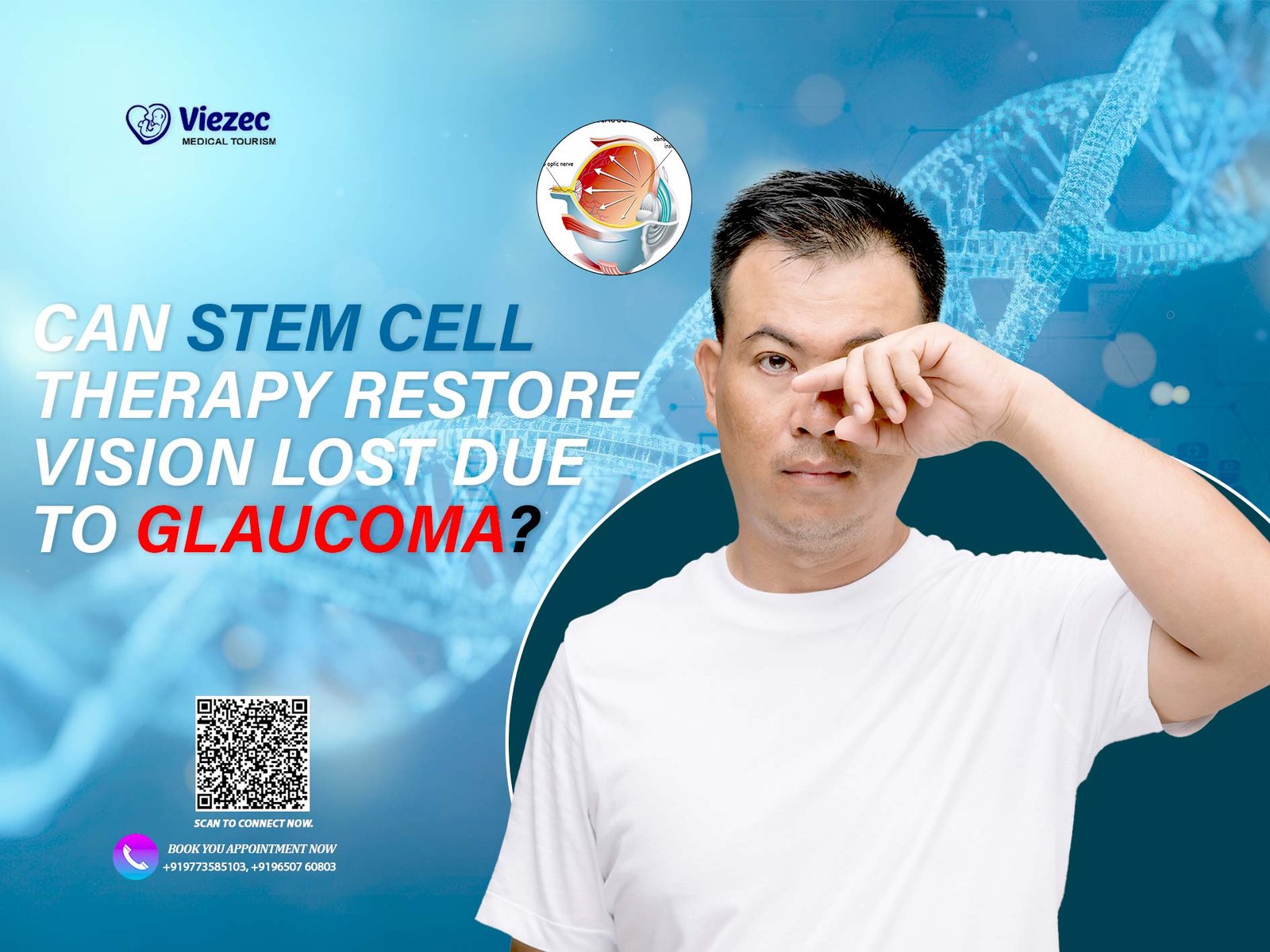
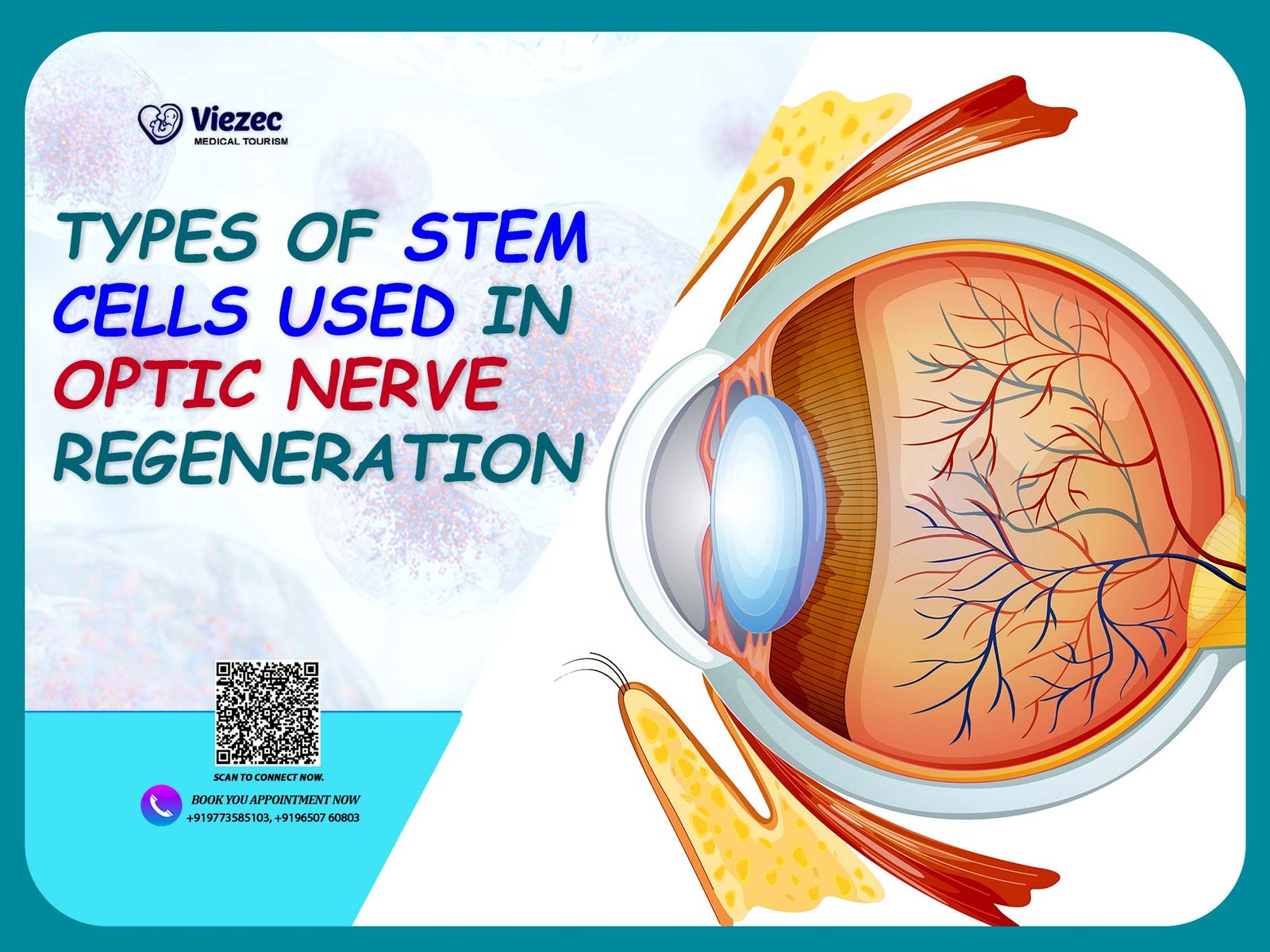
Vision loss caused by optic nerve damage has long been considered irreversible. Conditions such as optic neuropathy, glaucoma, or traumatic injury can damage the delicate nerve fibers that transmit visual signals from the eye to the brain. As research in regenerative medicine advances, scientists are studying how stem cells may support optic nerve regeneration and help protect remaining vision.
Stem cell therapy is an evolving medical field that focuses on using specialized cells capable of repairing or replacing damaged tissue. While research is still ongoing, several types of stem cells are currently being explored for their potential role in optic nerve regeneration.
In this article, we will explain the different types of stem cells used in optic nerve regeneration, how they work, and why patients from around the world often explore stem cell therapy options in India.
Overview of Optic Nerve Damage and Regeneration
The optic nerve is a bundle of more than one million nerve fibers that carries visual information from the retina to the brain. Damage to this nerve interrupts communication between the eye and the brain, which can lead to partial or complete vision loss.
Common causes of optic nerve damage include:
-
Glaucoma
-
Optic neuritis
-
Ischemic optic neuropathy
-
Traumatic injury
-
Genetic optic nerve disorders
-
Long-term neurodegenerative conditions
Unlike some other tissues in the body, the central nervous system has limited ability to repair itself. This is why optic nerve injuries have historically been difficult to treat.
Researchers are investigating regenerative approaches, including stem cell therapy, to support nerve repair, reduce inflammation, and encourage the growth of new neural connections.
What Is Stem Cell Therapy?
Stem cell therapy is a regenerative medical approach that uses specialized cells capable of developing into different types of tissues in the body.
Stem cells possess two important properties:
-
Self-renewal – the ability to divide and produce new stem cells
-
Differentiation – the ability to transform into specialized cells such as nerve cells, muscle cells, or blood cells
In the context of optic nerve damage, scientists are exploring whether stem cells can:
-
Support nerve cell survival
-
Promote repair of damaged nerve fibers
-
Reduce inflammation in surrounding tissues
-
Release growth factors that encourage regeneration
It is important to understand that stem cell therapy is still an active area of research, and outcomes vary depending on the patient’s condition and the severity of nerve damage.
Discover if Stem Cell Therapy Can Help You!
Book a Free Consultation with Our Experts at Viezec !
How Stem Cell Treatment Works
Stem cell treatment for neurological or optic nerve conditions generally involves several carefully controlled steps.
1. Patient Evaluation
Doctors review medical history, imaging reports, and diagnostic tests to determine whether regenerative therapy may be considered.
2. Stem Cell Preparation
Specialized laboratory techniques are used to isolate and prepare stem cells that meet safety and quality standards.
3. Administration of Stem Cells
Depending on the treatment plan, stem cells may be introduced through minimally invasive procedures designed to deliver them close to the affected tissues.
4. Regenerative Support
After administration, stem cells may release growth factors, cytokines, and regenerative molecules that support healing processes.
5. Monitoring and Follow-Up
Doctors monitor progress through follow-up assessments to evaluate changes in vision, nerve health, and overall neurological function.
Because every patient is different, treatment protocols and results may vary.
Types of Stem Cells Used in Optic Nerve Regeneration
Several categories of stem cells are currently being studied for their potential role in optic nerve regeneration and neuroprotection. Each type has unique biological characteristics.
1. Mesenchymal Stem Cells (MSCs)
Mesenchymal stem cells are among the most widely researched stem cells in regenerative medicine.
These cells are commonly derived from:
-
Bone marrow
-
Adipose (fat) tissue
-
Umbilical cord tissue
Why MSCs Are Studied for Optic Nerve Repair
MSCs have shown potential to:
-
Release neurotrophic growth factors
-
Reduce inflammation around damaged nerve tissue
-
Support survival of retinal ganglion cells
-
Encourage tissue repair mechanisms
Many research studies focus on MSCs because they are relatively easy to obtain and have demonstrated immunomodulatory properties.
2. Neural Stem Cells (NSCs)
Neural stem cells are specialized stem cells that naturally develop into cells of the nervous system.
These cells can differentiate into:
-
Neurons
-
Astrocytes
-
Oligodendrocytes
Role in Optic Nerve Regeneration
Because the optic nerve is part of the central nervous system, neural stem cells are of particular interest in research studies. Scientists are exploring whether NSCs can:
-
Replace damaged nerve cells
-
Support neural pathway repair
-
Restore communication between the retina and the brain
Although promising in laboratory settings, neural stem cell therapies are still being investigated in clinical research.
3. Induced Pluripotent Stem Cells (iPSCs)
Induced pluripotent stem cells are created by reprogramming adult cells back into a stem-cell-like state.
This breakthrough technology allows scientists to generate stem cells from a patient’s own tissues.
Advantages Being Studied
iPSCs have the potential to:
-
Develop into many different cell types
-
Reduce the risk of immune rejection
-
Provide personalized regenerative therapy
Researchers are exploring whether iPSC-derived cells can become retinal or optic nerve cells to help repair damaged visual pathways.
However, strict safety protocols are necessary because pluripotent cells have complex biological behavior.
4. Retinal Progenitor Cells
Retinal progenitor cells are specialized cells involved in the development of retinal tissue.
They have the ability to develop into several retinal cell types, including:
-
Photoreceptors
-
Retinal ganglion cells
-
Supporting retinal tissue
Potential Benefits Being Studied
Scientists are examining whether retinal progenitor cells could help:
-
Replace damaged retinal cells
-
Improve retinal signaling
-
Support optic nerve health
This area of research is particularly relevant for conditions where retinal degeneration contributes to optic nerve damage.
5. Hematopoietic Stem Cells
Hematopoietic stem cells are responsible for producing blood cells and are primarily found in bone marrow.
Although they are not nerve-forming cells, researchers have investigated their role in supporting tissue repair and immune regulation.
Possible mechanisms include:
-
Reducing inflammatory responses
-
Supporting vascular health
-
Releasing regenerative signaling molecules
Because optic nerve health depends partly on proper blood supply, hematopoietic stem cells may contribute indirectly to supportive regenerative environments.
Start Your Regenerative Journey Today!
Contact Viezec for Personalized Stem Cell Therapy Plan
Potential Benefits of Stem Cell Therapy
While research continues, stem cell therapy is being explored for several potential benefits in optic nerve conditions.
These may include:
-
Supporting nerve cell survival
-
Reducing inflammation around the optic nerve
-
Promoting release of neuroprotective growth factors
-
Encouraging regeneration of damaged nerve fibers
-
Supporting overall neural tissue repair
It is important to remember that results vary among patients, and stem cell therapy is not considered a guaranteed cure for optic nerve damage.
Why Patients Consider Stem Cell Treatment in India
India has become a destination for many patients seeking advanced medical treatments, including regenerative therapies.
Several factors contribute to this trend.
Advanced Medical Infrastructure
Many specialized clinics and hospitals in India are equipped with modern laboratories and regenerative medicine facilities.
Experienced Medical Professionals
India has a large number of physicians and researchers working in the fields of ophthalmology, neurology, and regenerative medicine.
Cost Accessibility
Medical procedures in India often cost significantly less compared with similar treatments in many Western countries, which makes treatment more accessible for international patients.
Medical Tourism Support
Many healthcare providers offer assistance with:
-
Medical coordination
-
Language support
This helps international patients navigate their treatment journey more comfortably.
Why Choose Viezec Medical Tourism
Viezec provides information and treatment coordination services related to stem cell therapy in India.
Patients often explore this platform because it emphasizes:
-
Access to experienced medical professionals
-
Personalized treatment evaluation
-
Transparent consultation processes
-
Support for international medical travelers
-
Focus on patient education and informed decisions
The goal is to help patients understand available treatment options and connect with appropriate medical experts for further evaluation.
Is Your Condition Eligible for Stem Cell Therapy?
Speak directly with our specialist.
Treatment Journey for International Patients
Patients traveling to India for regenerative treatments often follow a structured process.
Step 1: Online Consultation
Medical reports and diagnostic records are reviewed by specialists to determine eligibility.
Step 2: Personalized Treatment Plan
Doctors develop a customized plan based on the patient’s condition, medical history, and treatment goals.
Step 3: Travel Planning
The medical team assists with travel coordination and scheduling.
Step 4: Treatment and Monitoring
Patients receive treatment under medical supervision with regular monitoring.
Step 5: Follow-Up Care
Follow-up consultations help track recovery and provide long-term guidance.
Frequently Asked Questions
Research is ongoing to determine whether stem cells can support optic nerve repair. Some studies suggest they may help protect nerve cells and promote regeneration, but results vary and more clinical research is needed.
Mesenchymal stem cells and neural stem cells are among the most widely studied cell types because of their regenerative and neuroprotective properties.
Regulatory approval varies by country and specific condition. Many stem cell applications for optic nerve damage are still under clinical investigation.
Treatment timelines vary depending on the therapy protocol, patient condition, and medical evaluation.
Eligibility depends on factors such as diagnosis, severity of nerve damage, overall health status, and physician assessment.
Conclusion
If you or a loved one is exploring regenerative treatment options for optic nerve conditions, learning about available therapies is an important first step.
Consulting experienced medical professionals can help determine whether stem cell therapy may be appropriate based on your individual health condition. Platforms such as Viezec provide information and consultation support for patients interested in learning more about regenerative medicine options in India.